The Solar Journey: Now is the Time for “DIY Plug In Solar”
If like me you’ve been waiting, it seems now is the time for DIY plug in solar. I’ve wanted to explore solar power, energy storage and renewables for a long time. Like many of you, I’ve watched the technology evolve from the sidelines, but the barrier to entry always felt too high. Between the £10,000 professional quotes and the complex structural wiring, solar felt like a project reserved for “someday.”
But “someday” is officially here!
In April 2026, the landscape of home energy in the UK has shifted. Thanks to the long-awaited BS 7671 Amendment 4 updates to the wiring regulations, DIY Plug In Solar is finally becoming a “Lego-style” project for the DIY community. It’s no longer about all-or-nothing; it’s about starting where you are and growing as you learn.
Watch the Video
Following the European Lead on DIY Plug In Solar: The “Balcony Revolution”
If it feels like “DIY Plug In Solar” is a new concept, it’s only because the UK is finally catching up. Across the channel, our European neighbors have been leading the charge with what they call Balkonkraftwerk (Balcony Power Plants).
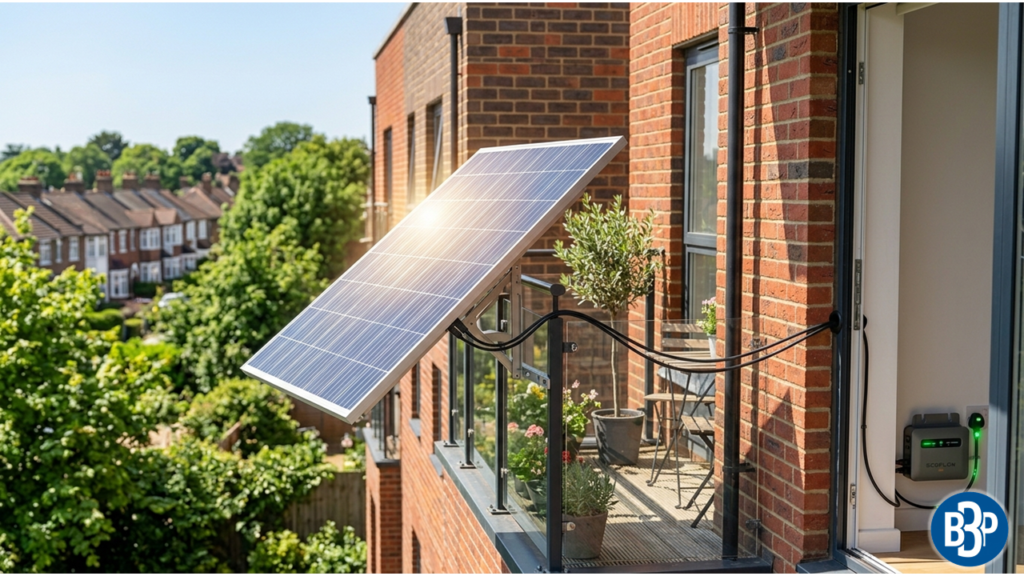
- The German Success Story: As of 2025, Germany saw over 1.5 million new DIY plug in solar systems registered. They proved that when you lower the barrier to entry, people jump at the chance to save money.
- The 800W Standard: While Europe previously focused on 600W, the 800W threshold is the new 2026 standard. This allows households to offset a significant portion of their “standby” or “base load” power—the energy used by fridges, routers, and idling electronics—without complex permits.
The UK Catch-Up (2026 Regulations)
Historically, the UK was the “exception” to this trend due to strict wiring regulations. However, the BS 7671 Amendment 4 (officially launching this month, April 2026) has finally paved the way for us to join the revolution.
By allowing “Micro-Generator” kits up to 800W to be connected via a standard 3-pin outdoor socket, the UK government is finally recognizing what the rest of Europe already knew: Small-scale solar is the fastest way to decentralize the grid.
I’m following this European model because it works. It’s proven, it’s safe, and it’s the most logical way to start a solar journey without the “all-or-nothing” financial risk.
The DIY Plug In Solar Gateway: My 500W Plug-In Setup
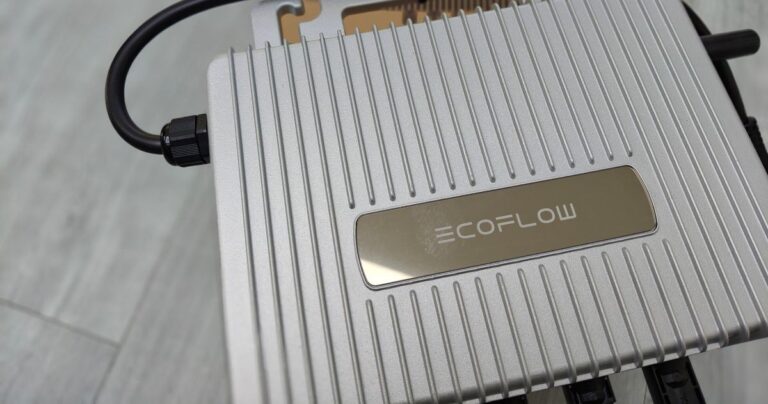
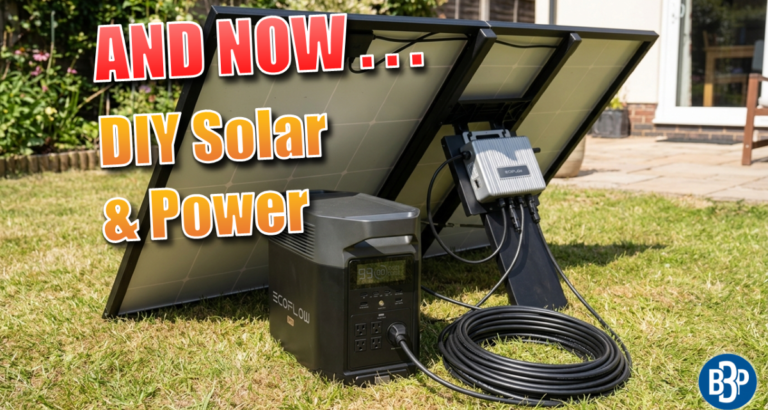
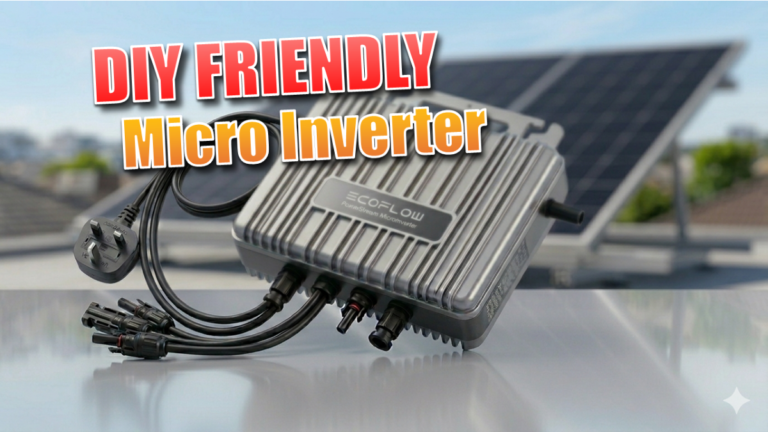
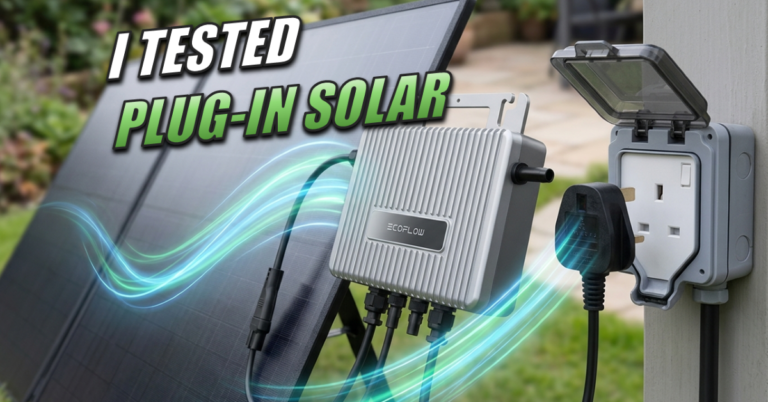
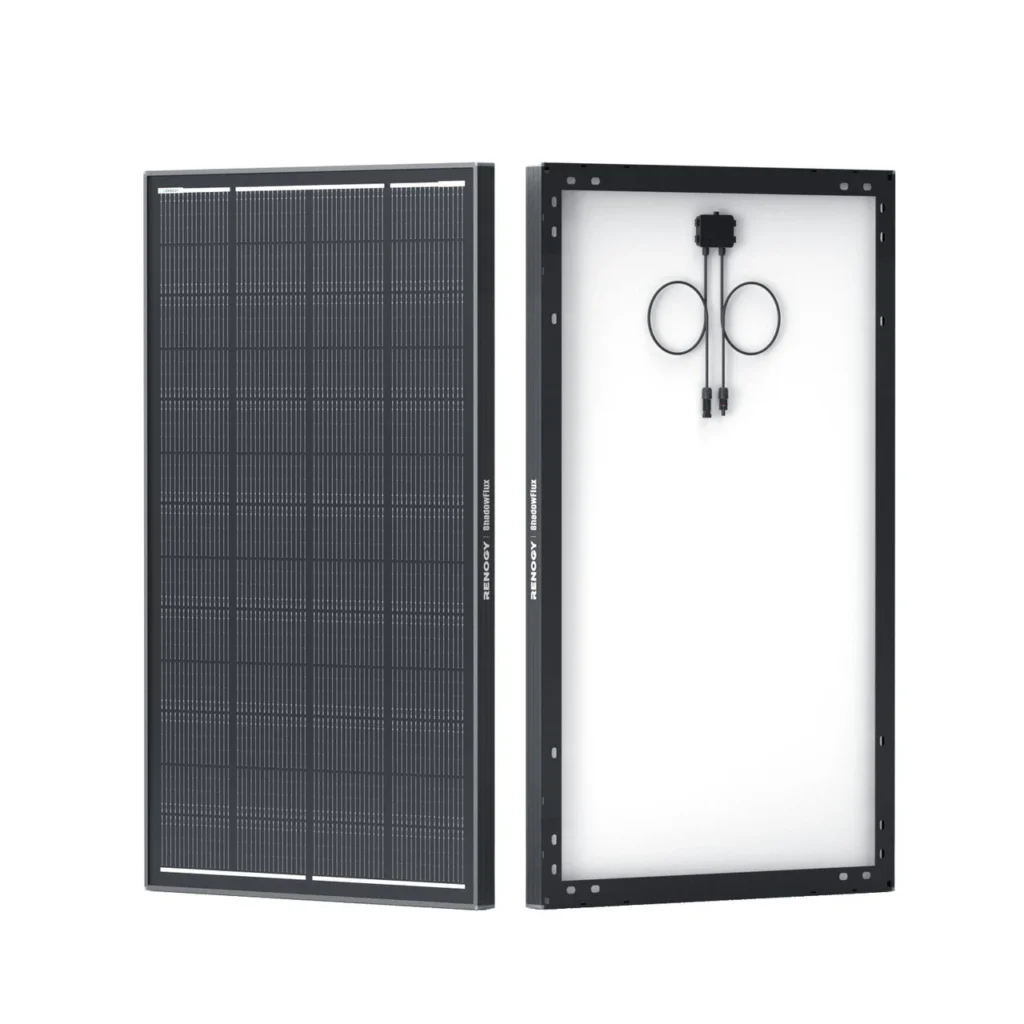
The biggest change in 2026 is affordability. So, I’m dipping my toe in the water with a grid-tied micro-inverter (the EcoFlow PowerStream) and a single 500W rigid panel. Ecoflow are trusted brand in the solar and battery storage industry. I purchsed mine via Amazon. Here’s a link to the Ecoflow Store and this is the Ecoflow Microinverter that i decided to go with for this first project.
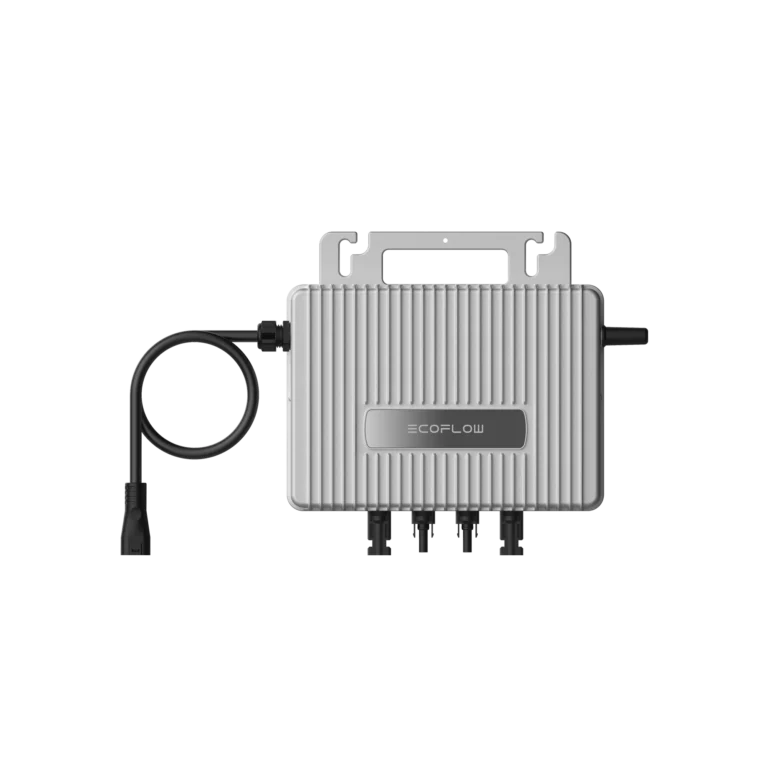
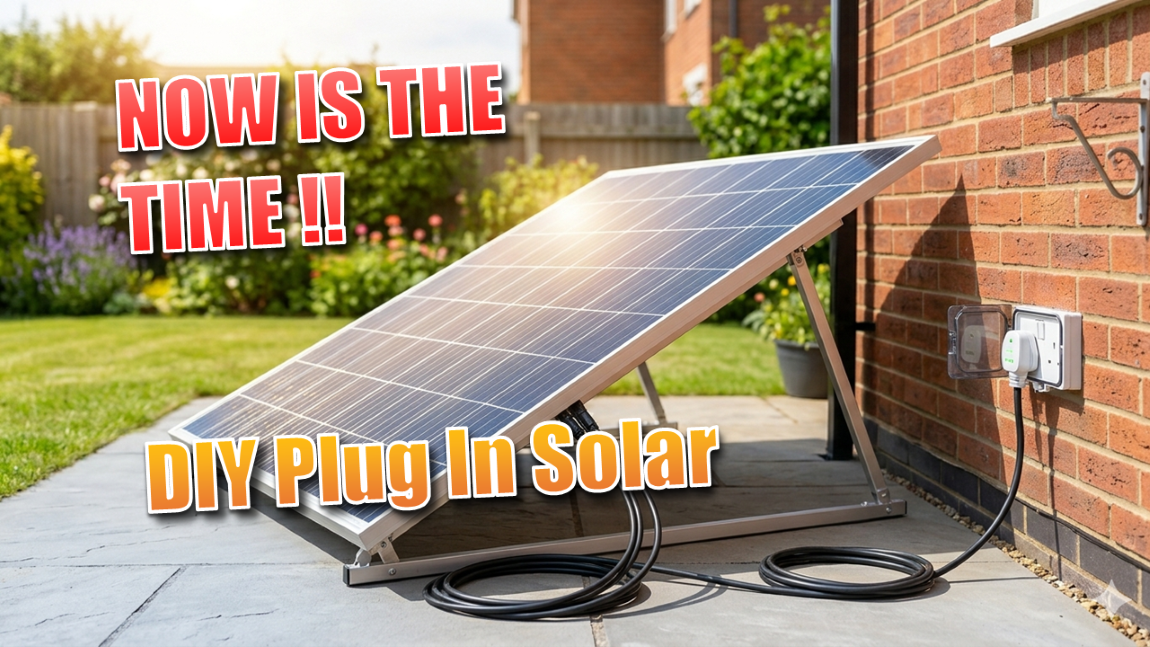
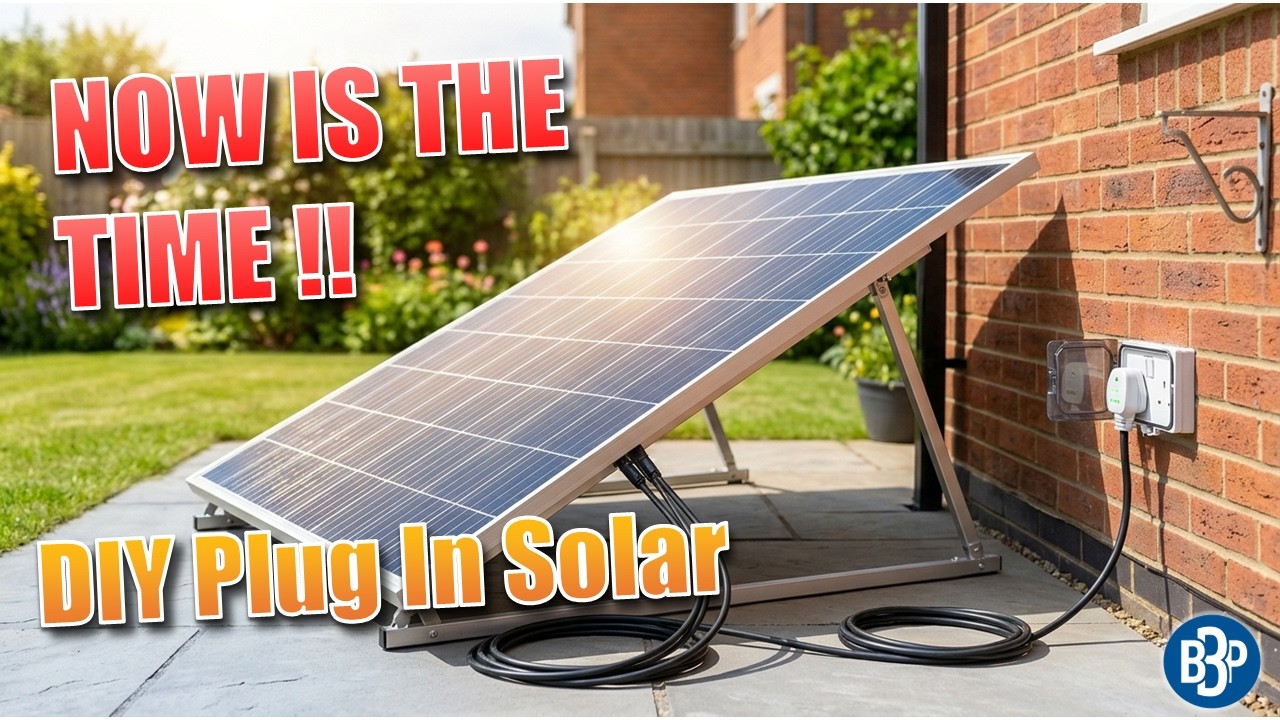
This “DIY Plug In Solar” approach is the perfect starting point for me to get started on my solar journey. It removes the need for scaffolding and permanent structural changes. The panel captures the sun, the micro-inverter converts it, and it feeds directly into my home through a standard 3-pin socket. This is likely to be the most cost effective way for me to enter the market. I hope to see a good contribution of free energy offsetting some or all of my household base load during sunny period.
Technical Manual: What is a Grid-Tied Inverter?
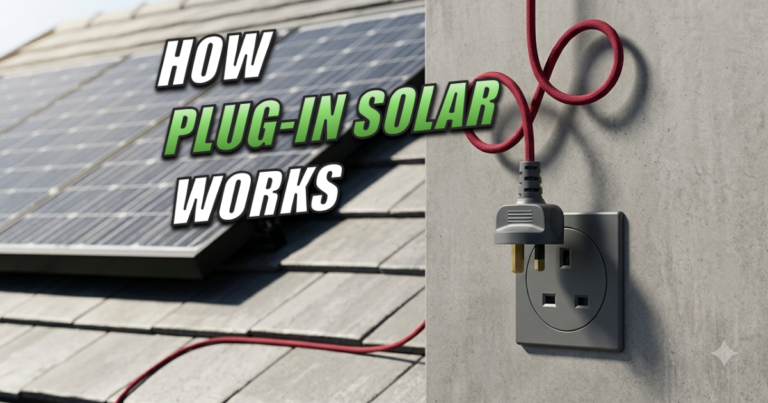
If you are new to the Built By Pete index, let’s get the technicals right. Here’s how a DIY plug in solar system works. A solar panel produces DC (Direct Current)—the kind of power you find in a battery. Your home runs on AC (Alternating Current).
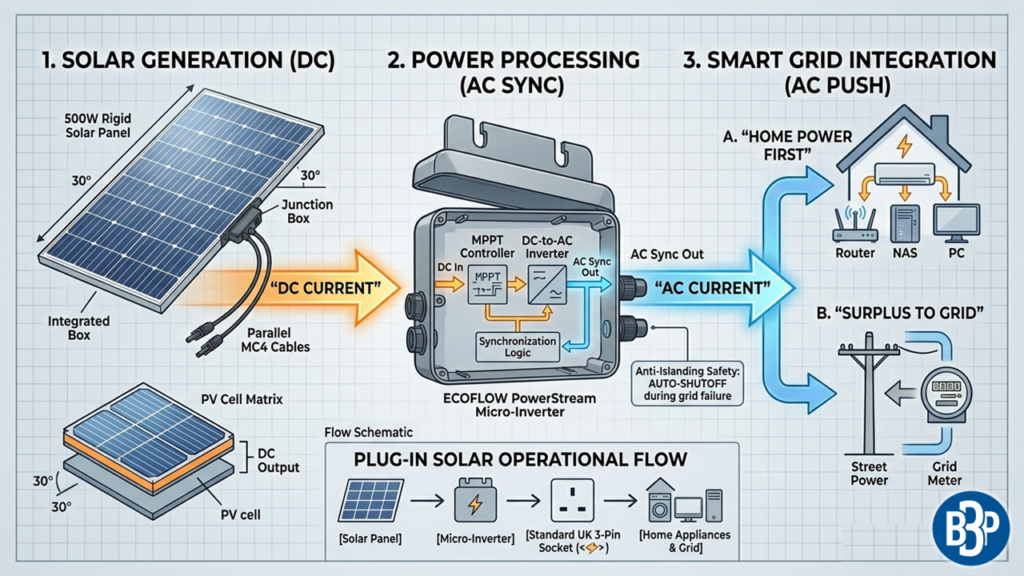
A Grid-Tied Inverter is the “translator” that sits between the two. But it does more than just convert power; it performs a high-tech “sync” with your home:
- Synchronization: The moment you plug it in, the inverter “listens” to the frequency of the National Grid (50Hz). It matches its own wave perfectly so they work together.
- The Pressure Principle: The inverter pushes solar power into your home at a slightly higher voltage than the grid. Because electricity follows the path of least resistance, your appliances “eat” the solar power first because it’s closer and pushing harder.
- Anti-Islanding (Safety): If the grid goes down, the inverter shuts off in milliseconds. This prevents your panels from sending electricity back into the street—keeping utility workers safe.
One Journey, Many Directions
What excites me most isn’t just the 500W panel—it’s where this journey can go. This first project is just the foundation. Over the coming months, I’ll be documenting:
- The Installation: How to mount a 500W panel without a roofing crew.
- The Legality: Dealing with G98 notifications and why the 800W limit matters.
- Backup Storage: Adding battery capacity to keep my network running during an emergency.
- Off-Grid Ambition: Eventually taking parts of my home—or the whole house—entirely off the grid.
Learn and Pivot With Me
I’m not starting this as an expert; I’m starting as a student of the technology. I’ll be providing updated articles and videos showing exactly how I installed the equipment, which accessories I used, and honest evaluations of their performance.
On my journey I’ll be exploring related topics including Solar, Renewables and Energy Independence. Specifically I’ll b delving into:
- Backup Storage: Adding battery capacity to keep my network running during an emergency.
- Supplementing Power: Scaling up to offset the heavy hitters like my server rack.
- Off-Grid Ambition: Eventually taking parts of my home—or the whole house—entirely off the grid.
DIY Plug in solar is just the start. As I learn, I’ll likely change direction—and I’ll show you exactly why. Join me as I plug in for the first time.
Further Reading
- How to Use the Kewtech KEWCHECK103: The DIY Guide to Testing Your Sockets
- The Best Desk Upgrade: Knightsbridge Mini Pop-Up USB Charger Review
- Why You Need a Cheap Ethernet Cable Tester
- Ancel BM200 Review: The Best Budget Wireless Battery Monitor?
- Why You Need a Cheap USB Power Meter (And How to Test Your Chargers)
Subscribe Now!
If you are interested in following me on my solar journey, be sure to check back here often and head over to the Built By Pete YouTube channel! where i’ll post all my DIY Solar Videos. We’ve also got hundreds of other DIY projects and smart home tutorials. Click here to subscribe and hit the notification bell so you never miss out on the tips, tricks, and step-by-step guides that will simplify your tech life.