Ecoflow PowerStream: DIY Friendly Grid-Tied Microinverter
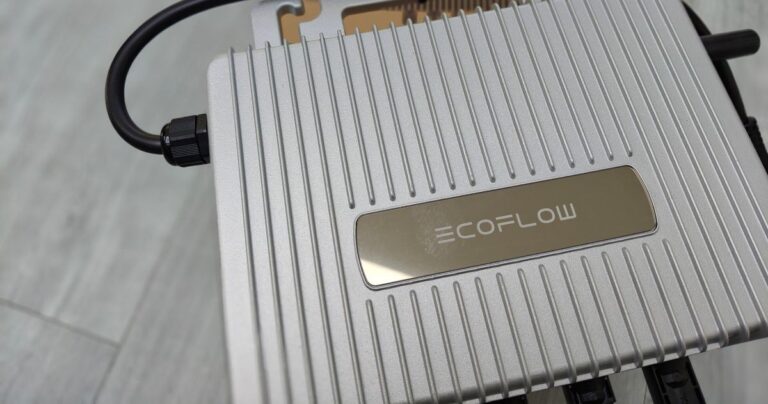
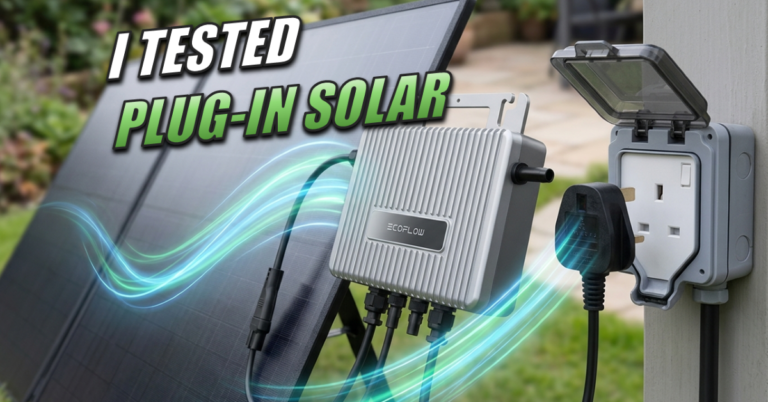
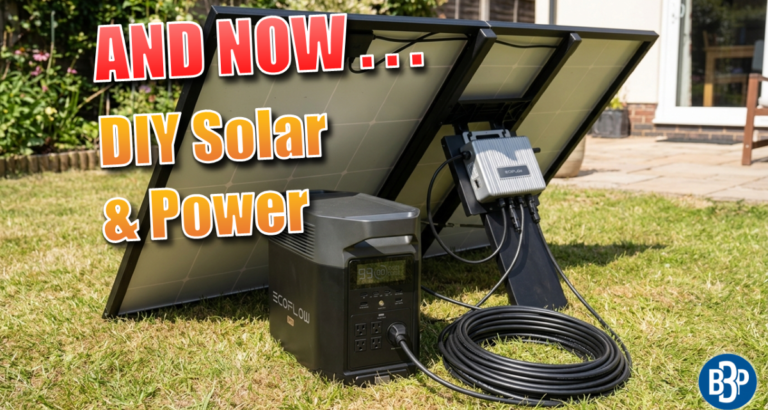
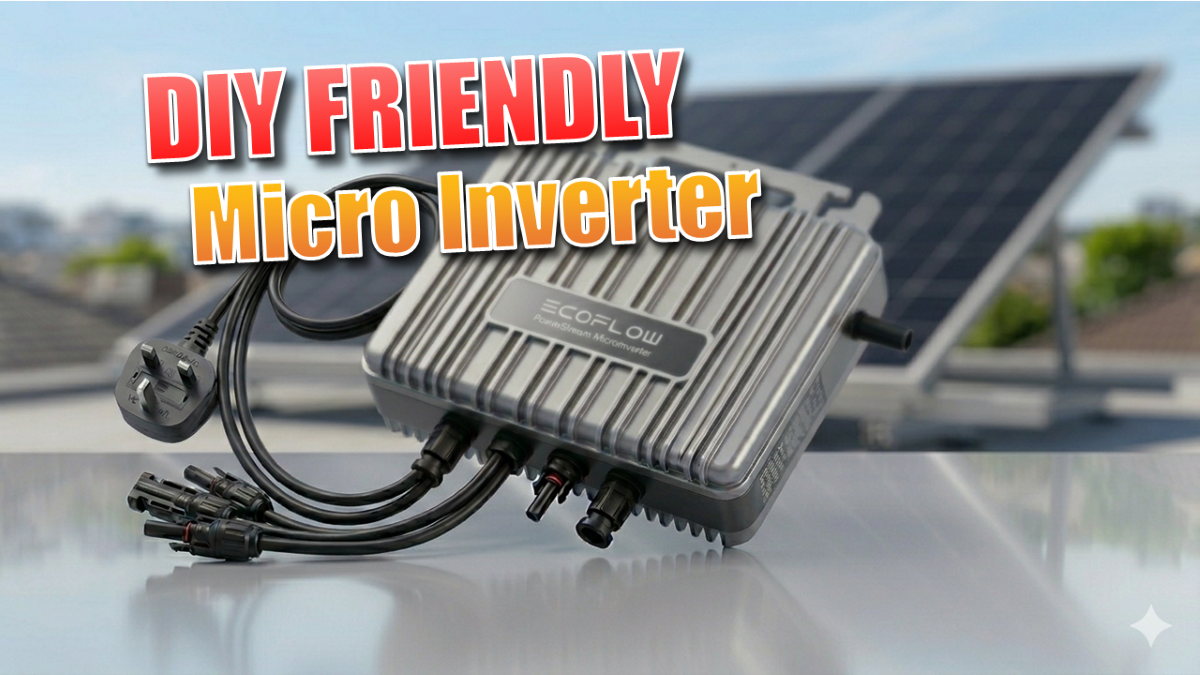
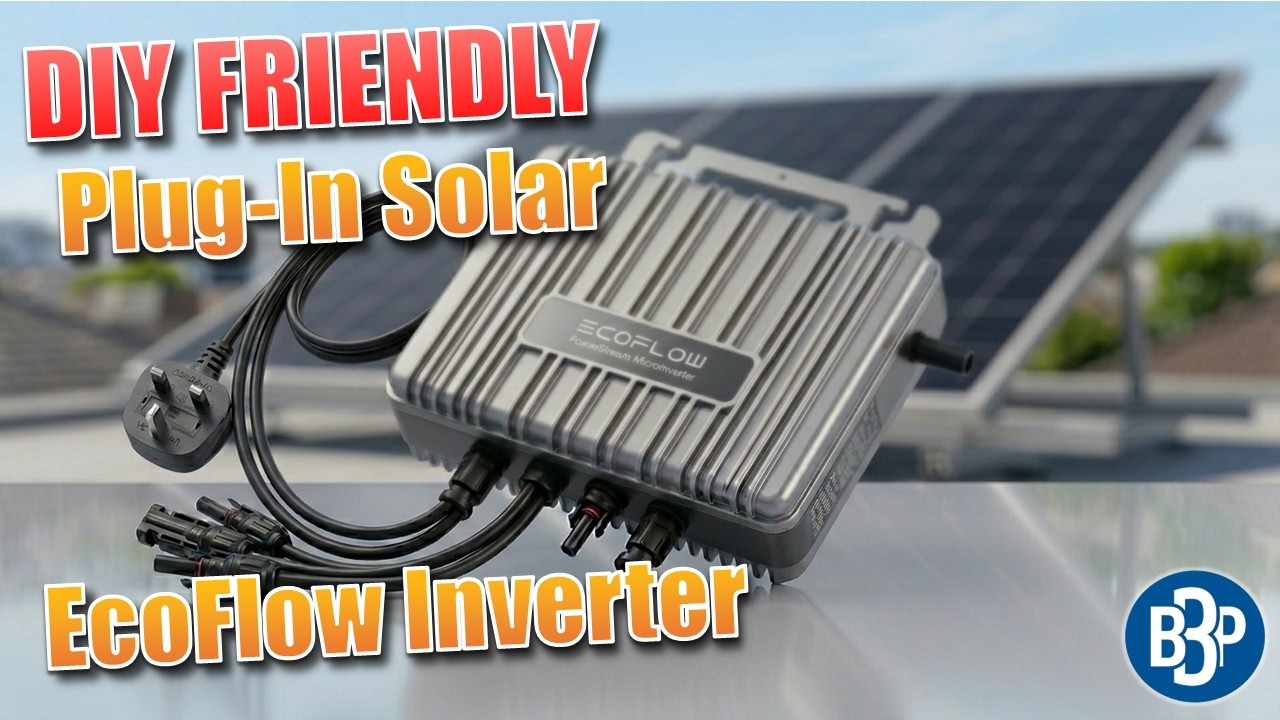
While my EcoFlow PowerStream grid-tied microinverter is currently in transit from Ecoflow, I wanted to take a moment to break down exactly what this piece of kit is and why it’s an important part of my solar journey.
If you’ve looked into solar before, you’ve likely heard terms like “Inverter,” “MPPT,” and “Grid-Tied.” But for a DIYer, the PowerStream grid-tied microinverter represents a shift in our options for how we handle home energy. Here is the technical breakdown of what’s about to arrive in the “Built By Pete” workshop.
Watch the Full Video
What is a Grid-Tied Microinverter?
At its simplest, a microinverter is a device that converts DC (Direct Current) electricity from your solar panels into AC (Alternating Current) electricity that your home appliances can use.
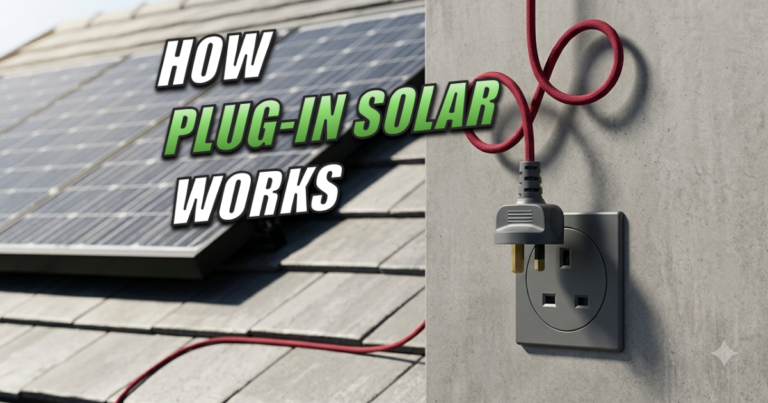
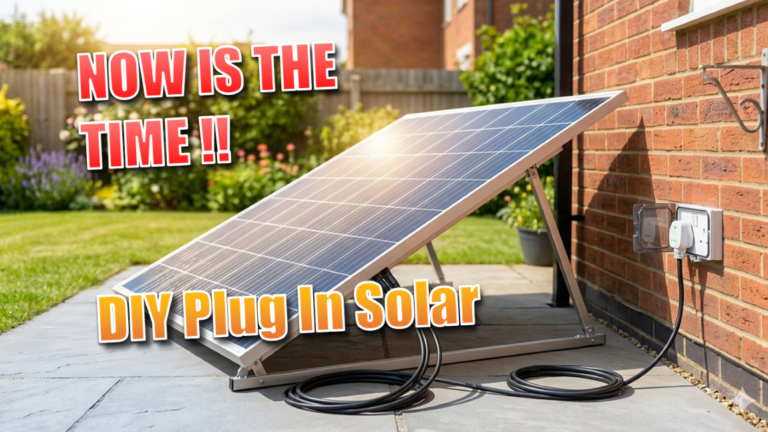
The “Grid-Tied” part is the clever bit. Instead of storing power in a battery bank, a grid-tied inverter plugs directly into your home’s existing wiring. It “syncs” with the National Grid’s frequency and feeds your solar power directly into your ring main.
How the PowerStream Works (The Science)
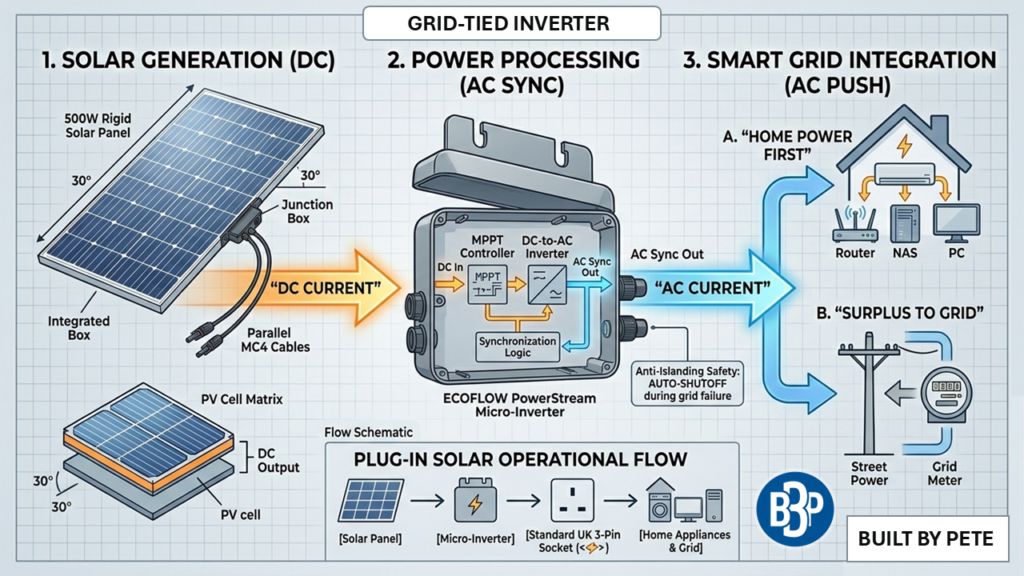
The EcoFlow PowerStream grid-tied microinverter isn’t just a “dumb” converter. It uses a process called Maximum Power Point Tracking (MPPT).
Think of a solar panel like a sponge. Depending on the sun’s angle or a passing cloud, the “amount of water” (voltage/current) changes constantly. The MPPT controller inside the PowerStream acts like a smart valve, constantly adjusting to ensure it’s extracting the maximum possible wattage from my 500W panel at every second.
The Sync & Push Method
- Detection: When plugged into a 3-pin socket, the PowerStream “listens” for the 50Hz hum of the UK grid.
- Matching: It generates an AC wave that is perfectly in phase with the grid.
- Offsetting: It pushes its power into your home at a slightly higher voltage. Because electricity follows the path of least resistance, your TV or PC will “eat” the solar power coming from the PowerStream before it pulls more expensive power from the grid.
- Smart Metering: By hooking up the grid-tied Microinverter to a Shelly / Ecoflow smart meter attached to the tails of the grid supply, you can enable smarter features in the Ecoflow app i.e., enables real-time, whole-home energy monitoring and automatic, dynamic power allocation to maximize self-consumption of solar energy. It detects household energy consumption in real time and tells the microinverter exactly how much power to supply, ensuring minimal energy is exported to the grid (zero feed-in). Key functionalities when used together include:
- Dynamic Power Balancing: The smart meter detects when appliances turn on, telling the inverter to immediately supply the exact amount of electricity needed.
- Automatic Zero Feed-In: It eliminates energy waste by capping output at the exact household demand, preventing solar energy from being sent back to the grid for free.
- Complete Household Monitoring: Unlike smart plugs that only monitor individual devices, the smart meter tracks the entire home’s energy consumption, allowing for intelligent AI-driven solar scheduling via the EcoFlow app.
- Hybrid Solar Usage: If solar power is insufficient for the immediate load, the system uses the (optional) connected PowerStream battery, prioritising home usage before exporting to the grid.
The reason I am experimenting with the grid-tied microinverter is to see how much of my home’s base load can be offset by the Solar panel and microinverter. On an average day my base load is between 200w and 300w. This is made up of my fridge, freezer, router, security cameras and devices on standby.
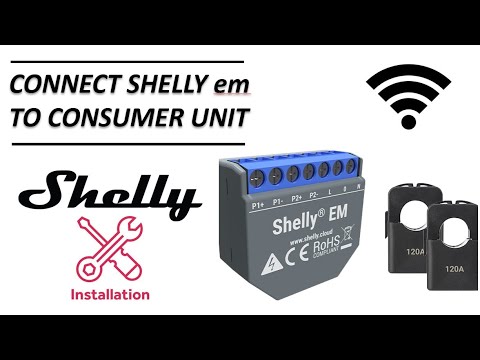
I have already installed a Shelly EM smart meter and I’m hoping that its compatible with the Ecoflow Micro inverter. If you’d like to see the install process take a look at my installation video over on the BuiltByPete Youtube channel below.
Pros and Cons of the PowerStream Grid-Tied Microinverter
| Pros | Cons |
| Plug & Play: No electrician required for the 800W UK kit (as of April 2026). | Dependency: Without a grid signal, it won’t turn on (unless paired with a battery). |
| Expandable: You can add an EcoFlow Delta/River battery later for night-time use. | Price Premium: You pay more for the “Smart” features and the EcoFlow Ecosystem. |
| Efficiency: IP67 waterproof rating and 95.5% peak efficiency. | Single Point of Failure: If the microinverter fails, your whole “Plug-in” setup is dead. |
| App Control: Real-time monitoring of every watt generated and consumed. | Wi-Fi Dependent: Most smart features require a stable 2.4GHz Wi-Fi connection. |
Safety: The “Anti-Islanding” Rule
The #1 question I get is: “If I pull the plug, will I get a shock from the pins?” The answer is no. Under the G98/G100 UK regulations, the PowerStream features Anti-Islanding protection. The moment it loses the signal from the grid (like when you pull the plug or during a power cut), it shuts down its output in milliseconds. It is physically impossible for the unit to be “live” unless it is safely plugged into a working socket.
Why the Ecoflow Grid-Tied Microinverter?
I chose the PowerStream because it bridges the gap. I can start with just the inverter and a panel to offset my daytime “Base Load” (my router, NAS, and security cameras). Later, I can explore adding a battery and move toward Zero Waste, storing the excess sun from the day to power my home at night.
Stay Tuned: As soon as the Microinverter arrives, I’ll be filming the unboxing and a “First Power” test.
Where to Get The Parts
Checkout the EcoFlow Stream Microinverter or other Ecoflow products. Also take a look at the Shelly Store for smart meters and other smart devices. This is the Shelly EM that I have in my home.
Further Reading
- Why You Need Wire Ferrules for the Best Crimp Connections
- Impact Driver vs. Combi Drill: Which One Do You Actually Need?
- How to Install Concrete Anchor Bolts (The Best Way to Secure a Shed)
Subscribe Now!
If you are interested in following me on my solar journey, be sure to check back here often and head over to the Built By Pete YouTube channel! where i’ll post all my DIY Solar Videos. We’ve also got hundreds of other DIY projects and smart home tutorials. Click here to subscribe and hit the notification bell so you never miss out on the tips, tricks, and step-by-step guides that will simplify your tech life.