How to Install Concrete Anchor Bolts (The Best Way to Secure a Shed)
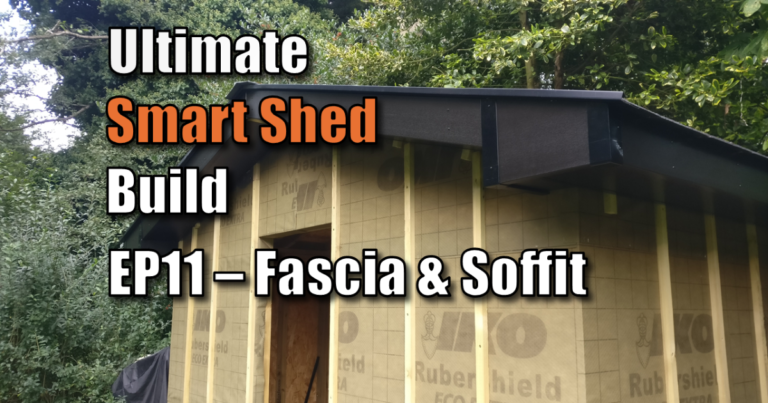
Concrete Anchor Bolt Install. When you’re building a structure like the Ultimate Smart Shed, you need to make sure it isn’t going anywhere. Whether it’s high winds or shifting ground, a heavy timber frame needs to be physically anchored to its concrete base.
In this guide, I’ll show you how to install concrete anchor bolts (specifically non-expansion screw bolts) to fix 4×2 timber to a concrete slab without cracking the edges.
Watch the Tutorial
Why Use Screw-In Bolts vs. Expansion Bolts?
Most people reach for “Shield Anchors” or expansion bolts. The problem? Those bolts work by expanding and pushing outwards against the concrete. If you are drilling close to the edge of your slab (like you usually are for a shed frame), an expansion bolt can easily crack the concrete.
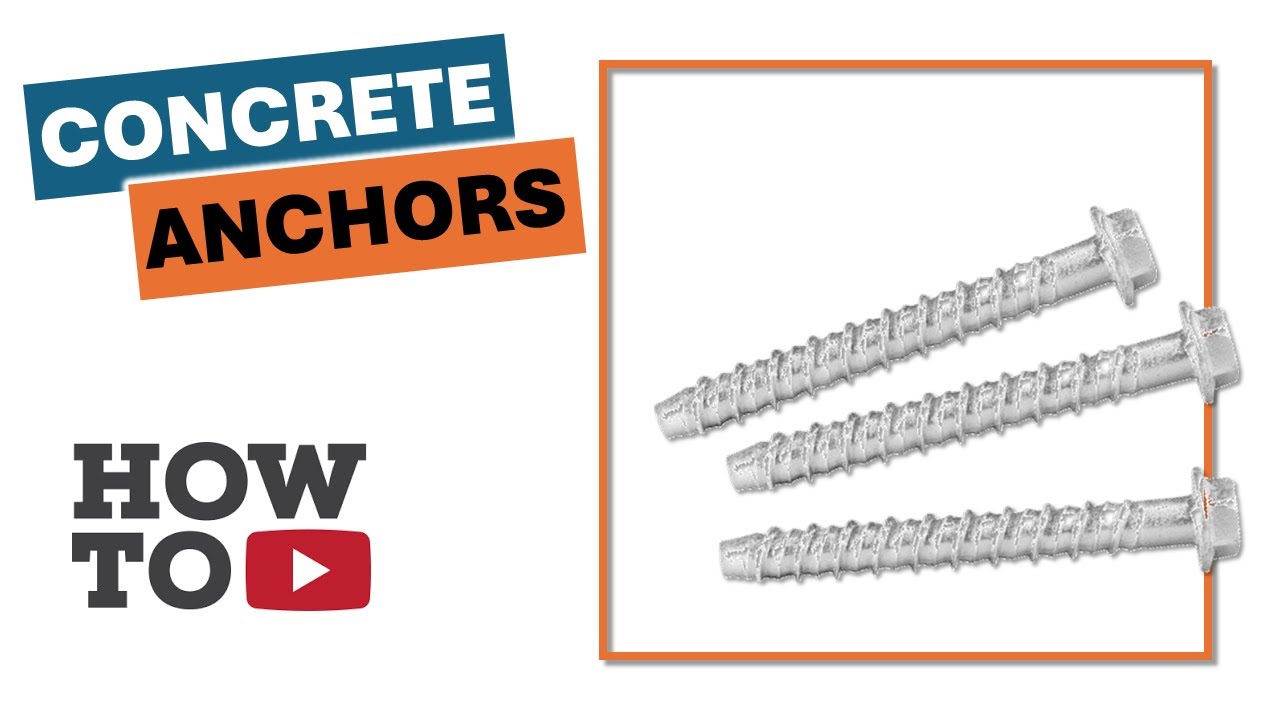
The solution: I’m using 150mm x 10mm Multi-Fix bolts.
- No Lateral Force: They cut their own thread into the concrete, meaning they don’t push outwards.
- Removable: You can actually unscrew these if you ever need to move the frame.
- Close to Edge: You can use these much closer to the edge of a masonry or concrete slab without risk.
Tools & Materials Needed
- Concrete Anchor Bolts: 150mm length / 10mm diameter.
- SDS Drill: For getting through the concrete.
- 8mm SDS Drill Bit: Note that for a 10mm bolt, you usually use an 8mm hole so the threads have something to bite into.
- 10mm Washers: To spread the load across the timber.
- Impact Driver or Socket Set: For driving the bolt home.

Step-by-Step Installation
1. Drill the Hole
Using your 8mm SDS bit, drill through the timber and into the concrete.
- Pete’s Tip: “Back out” the drill bit every few seconds. This clears the dust, keeps the bit cool, and prevents it from getting blunt.
2. Clean the Hole
This is the most important step! If there is dust at the bottom of the hole, the bolt will bottom out and get stuck before it’s tight.
- Use a vacuum cleaner or a blow-out pump to remove all debris.
- Pro Tip: Always drill the hole about 20mm deeper than the bolt length just in case a little dust falls back in.
3. Set the Washers and Drive
Put a couple of 10mm washers on the bolt to spread the load across the wooden base. Start the bolt by hand, then use an impact driver or a socket set to torque it down.

4. Check the Torque
You want the bolt to be tight enough that the washers begin to “bite” into the timber slightly. This ensures the shed won’t slide or lift during heavy winds.
Final Thoughts
Using the right anchors makes a massive difference in the longevity of your build. These screw-in bolts are faster, safer for your concrete, and incredibly strong.
Recommended : Take a look at the Ultimate Smart Shed Build Series
How deep should I drill for a concrete or brick anchor bolt?
As a general rule, the hole should be drilled 1/2 inch to 1 inch deeper than the intended embedment depth of the bolt. This extra space ensures that any leftover dust or debris at the bottom of the hole doesn’t prevent the bolt from being fully seated. For standard wedge anchors, the minimum embedment is typically 4 times the bolt diameter (e.g., a 1/2″ bolt should be at least 2″ deep into the concrete).
Can I use the same anchor bolts for both concrete and brick?
Not always. While some anchors like Sleeve Anchors work well in both, others are material-specific. Wedge Anchors are designed strictly for solid concrete and should never be used in brick or mortar, as the expansion force can crack the masonry. For brick, it is best to use sleeve anchors or large-diameter tapcons, and whenever possible, anchor directly into the brick rather than the softer mortar joint.
Why is my anchor bolt spinning or failing to tighten?
The most common reason an anchor bolt spins is an oversized hole. If the drill bit was slightly too large or if the drill wobbled, the anchor cannot “bite” the sides of the hole to begin its expansion. To fix this, ensure you are using a carbide-tipped masonry bit that matches the anchor diameter exactly. If the hole is already stripped, you may need to move the hole location or switch to a chemical (epoxy) adhesive anchor to fill the gap and secure the bolt.
Join the BuiltByPete Community!
If you found this Concrete Anchor Bolt Install guide helpful head over to the Built By Pete YouTube channel. I’ve got hundreds of deep-dive tutorials, from building the Ultimate Smart Shed to maximizing your home network speeds. Click here to subscribe and hit the notification bell so you never miss a new project, troubleshooting tip, or step-by-step guide. Let’s simplify your tech life and get stuck into your next DIY project together!