Why You Need Wire Ferrules for the Best Crimp Connections
Wire Ferrules. If you work with flexible, multi-strand wiring, you’ve likely dealt with the “fraying end” nightmare. You strip the wire, try to poke it into a terminal block or a small Wi-Fi relay (like a Sonoff), and the strands flare out everywhere.
Not only is this a “pain in the ass” to install, but it’s also dangerous. Frayed strands can cause short circuits if they touch neighboring terminals, and they often lead to high-resistance connections that generate heat.
The professional solution? Wire Ferrules.
Watch the Tutorial: How to Crimp Wire Ferrules
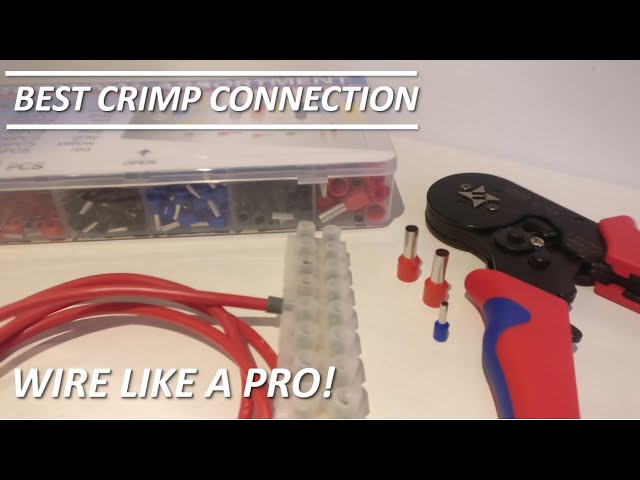
What is a Wire Ferrule?
A wire ferrule is a small metal tube (usually tin-plated copper) with a plastic insulating collar. It slides over the end of a stripped flexible wire and is crimped into place. This turns a bunch of loose, messy strands into a solid, square metal pin.
Wire Ferrules vs. Standard Twisted Wiring
| Feature | Using Wire Ferrules | No Ferrule (Twisted Strands) |
| Mechanical Strength | High. The crimp creates a solid cold-weld. | Low. Strands can compress or slip out. |
| Safety | Safe. Zero stray strands to cause shorts. | Risk. Frayed strands can touch other terminals. |
| Connection Quality | Excellent. Low resistance; better continuity. | Poor. Can lead to heat and melted plastic. |
| Ease of Install | Fast. Slides in one clean move. | Frustrating. Strands catch on the terminal. |
| Visual Finish | Professional. Looks like a factory install. | Amateur. Looks messy and unreliable. |
When to Use Ferrules (And When to Avoid Them)
One of the most common questions I get is whether you should use these on every wire. The answer depends on the type of cable you are using.
Ferrule Compatibility Guide
| Cable Type | Use a Ferrule? | Why? |
| Multi-Strand / Flexible | ✅ YES | The “nest” of strands needs to be contained for safety. |
| Tri-Rated / Panel Wire | ✅ YES | Essential for control panels and smart home relays. |
| Solid Core (Twin & Earth) | ❌ NO | The wire is already solid; a ferrule will weaken it. |
| Fine Data Wire (Cat6) | ❌ NO | Designed for RJ45 connectors or punch-down blocks. |
Pete’s Rule of Thumb: If the wire is “floppy” and made of many tiny strands, use a ferrule. If the wire is stiff and holds its shape when you bend it (like UK 2.5mm² domestic cable), do not use a ferrule.
The Essential Tool: The Ferrule Crimp Kit
You used to have to spend hundreds of pounds on professional crimping tools. Today, you can get a complete kit—including a ratchet crimper and 1,200 assorted ferrules—for around £18-£20.
Where to buy: You can source these from a range of places online. This is my Crimp Tool Kit. There are many other Ferrule Kits available.
Why a Ratchet Crimper?
Standard pliers-style crimpers are inconsistent. A ratchet crimper uses four jaws that come in simultaneously to create a square compression. The ratchet mechanism ensures you can’t release the tool until the perfect amount of pressure has been applied.
How to Crimp a Ferrule in 3 Steps

Step 1: Prep the Wire
Strip your flexible cable so that the copper is just a few millimeters longer than the ferrule tube. Slide the wire through the flared plastic collar until the copper just pokes out the other end. This ensures full contact through the entire tube.
Step 2: The Crimp
Insert the ferrule into the jaws of the crimping tool. Push it all the way up to the plastic collar. Squeeze the handles until you hear the ratchet click and release.
Step 3: Trim to Fit
Depending on your terminal block, you may have a bit of excess copper sticking out. Simply trim the metal end to the appropriate length for your specific connector.
Final Thoughts
Whether you are wiring a Sonoff Wi-Fi relay or a heavy-duty connector block, the difference is night and day. You get a solid, vibration-resistant connection that looks like it was done by a master electrician.
Related DIY & Tech Guides:
- How to Wire a Ceiling Rose – Learn the basics of UK lighting circuits.
- PoE Explained: Power Over Ethernet – Why one cable is better than two.
Subscribe Now!
If you found this introduction to Wire Ferrules interesting and are ready to stop guessing and start troubleshooting your own tech plus smart DIY, head over to the Built By Pete YouTube channel! We’ve got hundreds of other DIY projects and smart home tutorials. Click here to subscribe to the BuiltByPete youtube channel and hit the notification bell so you never miss out on the tips, tricks, and step-by-step guides that will simplify your tech life.