IP Rating Checker: Understand Your Equipment’s Protection
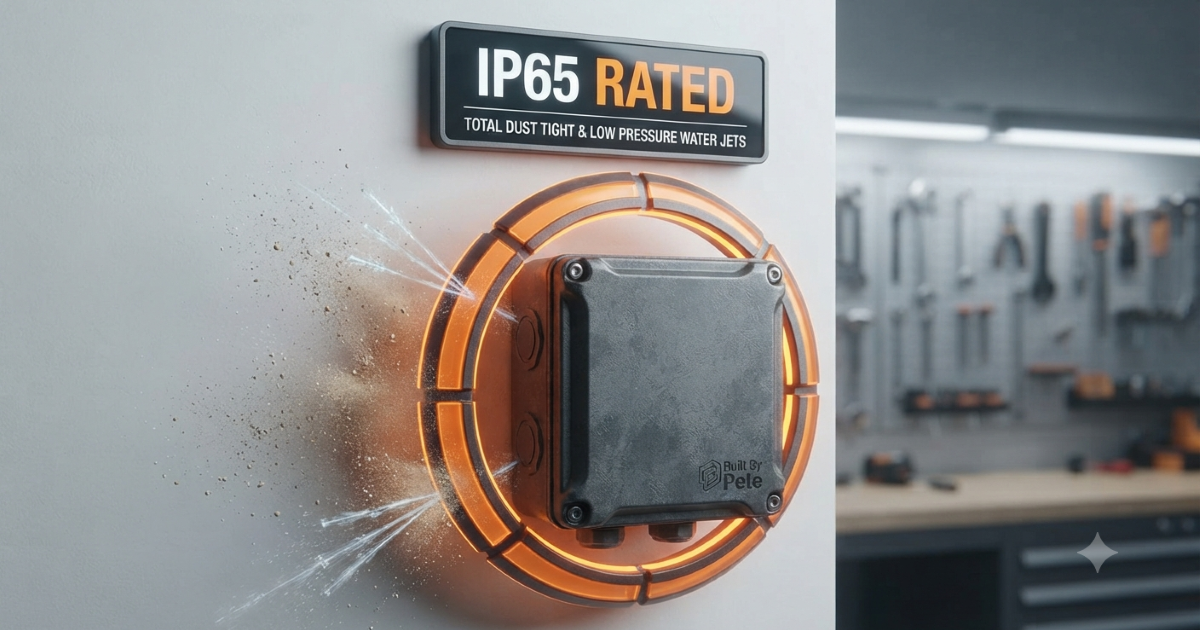
IP Rating Checker: When choosing electrical gear for your workshop, garden, or outdoor projects, you’ll often see an “IP Rating” on the packaging—for example, IP55 or IP67. These ratings are not just random numbers; they are a standardized way of telling you exactly how well a device is protected against environmental hazards.
What is an IP Rating?
“IP” stands for Ingress Protection. The two digits that follow the “IP” tell you two specific things:
- The First Digit (Solids): Indicates the level of protection against solid objects, ranging from tools and wires to fine dust.
- The Second Digit (Liquids): Indicates the level of protection against moisture, ranging from dripping water to continuous immersion.
IP Rating Checker
IP Rating Checker
How to Use Our IP Rating Checker
Instead of hunting through complicated charts, use our IP Rating Checker above to get an instant, plain-English breakdown of what any IP rating means for your project.
- Select the First Digit: Choose the solid-protection rating found on your device.
- Select the Second Digit: Choose the liquid-protection rating.
- Get Your Result: The calculator will instantly display a clear definition of both the dust and water protection levels, so you know exactly where that device can (and cannot) be safely installed.
- There is also a complete expandable reference table below.
Why Does This Matter for Your DIY Projects?
- Safety First: Knowing if a socket is rated for outdoor “splashing water” (IP44) versus “low pressure water jets” (IP55) helps you keep your electrical circuits safe from the elements.
- Avoid Damage: Understanding ratings prevents costly mistakes, such as using a device rated only for “condensation” in a high-moisture area where it needs “water jet” protection.
- Site Compliance: If you are working on site-specific projects, understanding additions like the “W” in “IPW55” (which includes weather protection) can be vital for selecting the right gear for damp or humid environments.
| Rating | Solids (1st Digit) | Liquids (2nd Digit) |
|---|---|---|
| IP0x | No protection | – |
| IP1x | >50mm | – |
| IP2x | >12.5mm | – |
| IP3x | >2.5mm | – |
| IP4x | >1mm | – |
| IP5x | Limited dust ingress | – |
| IP6x | Total dust ingress | – |
| IPx0 | – | No protection |
| IPx1 | – | Dripping water |
| IPx2 | – | Water spray <15° |
| IPx3 | – | Water spray <60° |
| IPx4 | – | Splashing water |
| IPx5 | – | Low pressure jets |
| IPx6 | – | High pressure jets |
| IPx7 | – | Temporary immersion |
| IPx8 | – | Continuous immersion |
| IPx9K | – | High temp/pressure jets |
DIY Project Calculator Tools
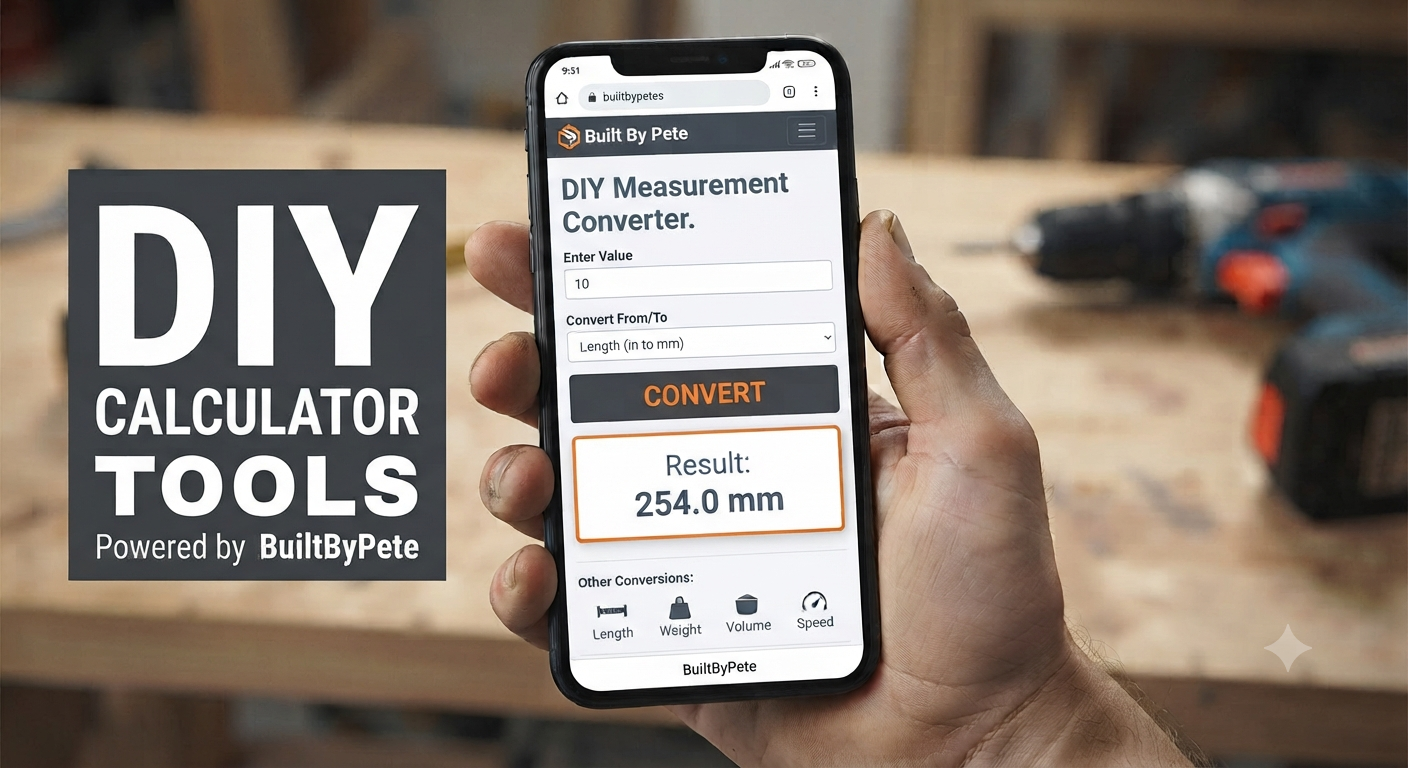
I have put together a number of FREE online tools to help DIYers, including concrete slab calculator, imperial to metric conversions, pilot hole sizes and many more.
DIY Project Calculator Tools
I have put together a number of FREE online tools to help DIYers, including concrete slab calculator, imperial to metric conversions, pilot hole sizes and many more.
▶ See The Project Calculator ListDisclaimer
This IP rating checker tool is designed to help you understand the definitions behind IP ratings for project planning. It does not replace product datasheets or manufacturer instructions. Always verify the specific IP rating provided by the manufacturer for the exact equipment you are installing, and ensure all electrical installations comply with local safety regulations. If in doubt, consult with a qualified electrician.
More to Interest You
- Introducing The Ultimate Smart Shed Build: Why We’re Building a High-Security, Tech-Integrated DIY Shed
- Don’t Buy a Laser Level Until You See the Cigman S04: A Full Hands-On Review
- Why the Neon Mains Voltage Tester Screwdriver is the Most Dangerous Tool in Your Box (And What to Use Instead)
- DeWALT DCS391N Review: The Best Entry-Level 18V Cordless Circular Saw?
Subscribe Now!
I hope you found this IP Rating Checker helpful. If you’re ready to stop guessing and start troubleshooting your own home tech and smart DIY projects safely, head over to the Built By Pete YouTube channel! We’ve got hundreds of step-by-step tutorials to simplify your tech life. Click here to subscribe and hit the notification bell so you never miss a guide!