The 3-Ingredient DIY Weedkiller Recipe That Costs Pennies and Actually Works!
DIY Weedkiller Recipe. Commercial weed killer is expensive, often full of harsh chemicals, and rarely works as well as advertised. Fortunately, you can create a super-effective, natural solution using three common household ingredients.
In this guide, we break down the exact DIY Weedkiller recipe, application technique, and show you the proven results—killing established, tough weeds in just 72 hours!
Watch The Weedkiller Action
1. The Cost-Saving DIY Weedkiller Recipe
This recipe creates approximately 3.5 liters of highly potent, cheap weed killer. The goal is to maximize the concentration of natural ingredients.
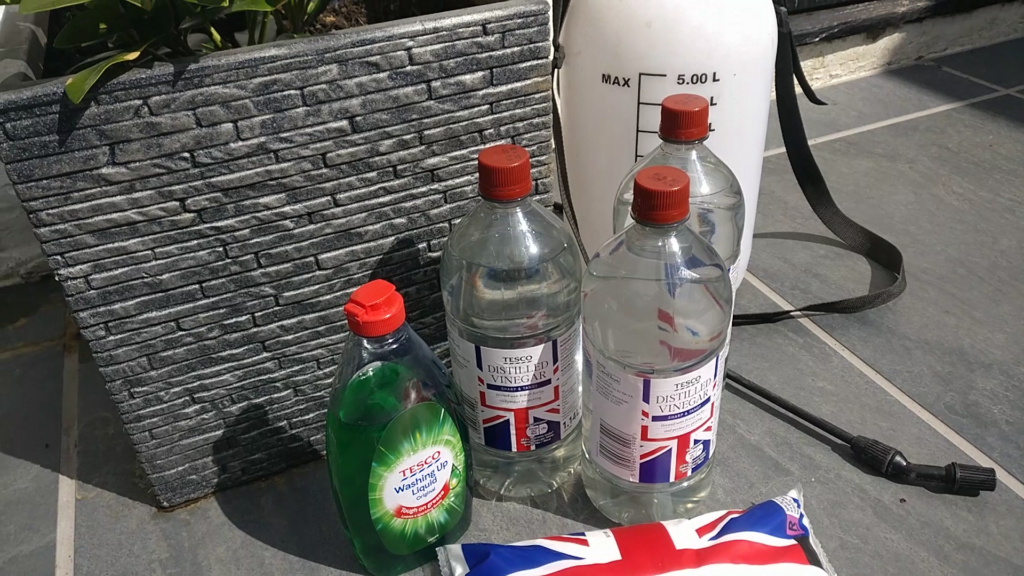
| Ingredient | Quantity (Approximate) | Purpose |
| White Distilled Vinegar | 3 x 1.14L bottles (Approx. 3.42 L) | The Acetic Acid in the vinegar is the primary killing agent. |
| Ordinary Cooking Salt | ~½ a cup full | The salt dries out the weeds, ensuring long-term killing action. |
| Dish Soap | 1–2 Tablespoons | Acts as a surfactant to help the solution stick to the waxy leaves. |
How to Mix the Solution
- Add Vinegar: Open your pump-action spray bottle (a 5-liter bottle is recommended) and pour in all the vinegar.
- Add Salt & Shake: Pour in about a half cup of cheap cooking salt, seal the bottle, and shake thoroughly until all the salt is completely dissolved into the vinegar .
- Add Soap: Open the bottle and add 1-2 tablespoons of dish soap. This is crucial for effectiveness.
- Final Mix: Seal the bottle again and shake well to ensure the soap is evenly mixed with the solution.
- Pressurize: Pump the spray bottle to get it ready for application.
2. Cost Breakdown: How Cheap is it?
The major appeal of this recipe is the incredible cost savings compared to store-bought products.
For 3.5 liters of solution:
| Item | Cost (Approx.) |
| Vinegar | £2.10 (3 x £0.70) |
| Salt | £1.90 (used about 1/3 of the bag) |
| Dish Soap | £0.69 (used a tiny amount) |
| Total Cost | £4.69 |
After accounting for leftover salt and soap, the estimated final cost is around £1.01 per liter, making it far cheaper than any commercial alternative!
3. The Results: Weeds Dead in 72 Hours
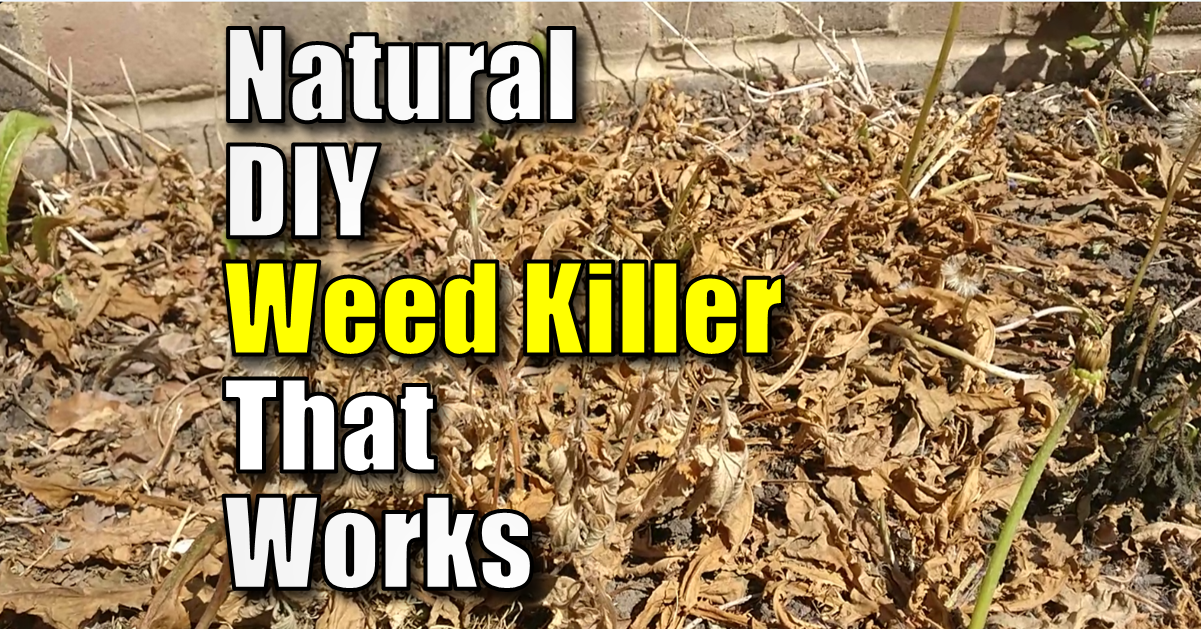
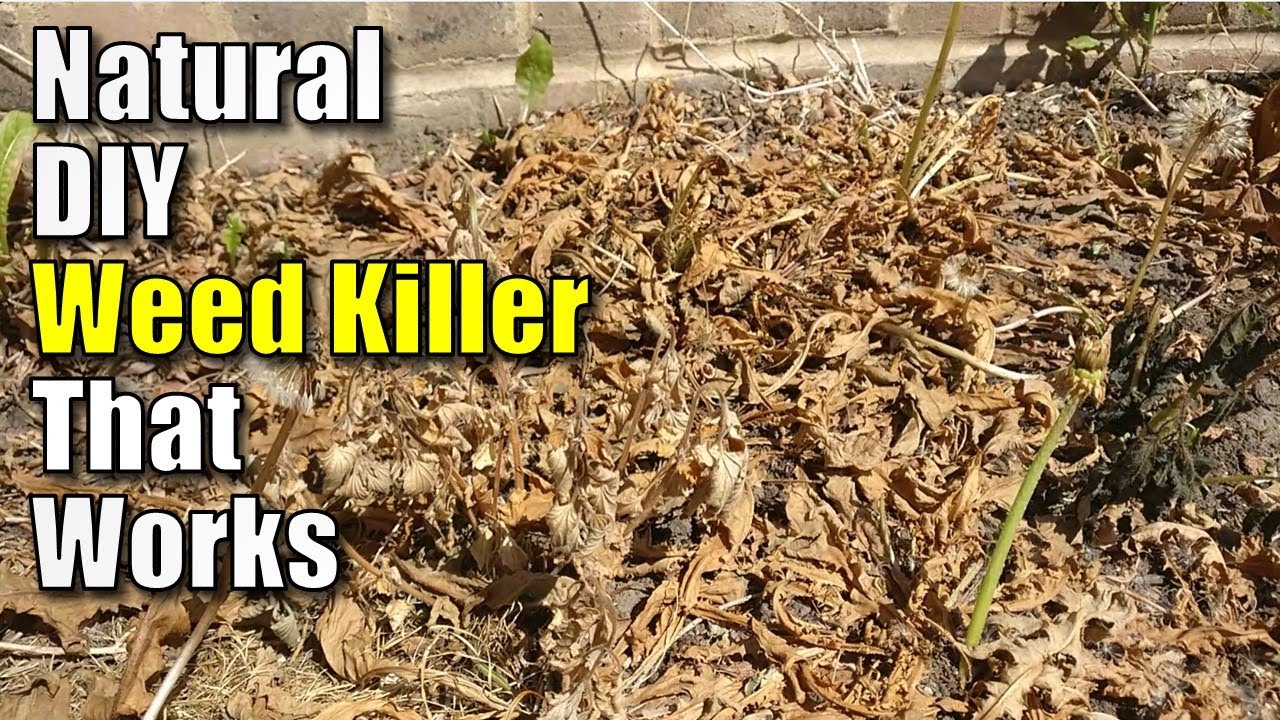
This DIY Weedkiller Recipe was tested on thick, established weeds, including tough stinging nettles, and the results were dramatic:
- 12 Hours: The weeds started to discolor and look slightly dried out.
- 24 Hours: The solution had a significant impact, with most leaves turning a sickly brown. Very little green remaining.
- 48 Hours: Nearly everything was completely dead.
- 72 Hours: The weeds were entirely dead, dried out, and crispy. The solution proved to be highly effective.
Application Tip
To ensure success, set your nozzle to a mist setting and get in close. Cover as much of the leaf foliage as possible to allow the solution to stick and dry out the plant.
Watch the full video for the live results and demonstration: Home Made DIY Weedkiller That Really Works (and Costs Pennies!)
DIY Weedkiller Recipe: Frequently Asked Questions
1. Is this DIY weedkiller safe for pets and children?
Yes! Unlike commercial glyphosates, this recipe uses food-grade ingredients (vinegar, salt, and dish soap). Once the spray has dried on the leaves, it is generally safe for pets and kids to be in the area. However, it is always best to keep them away during the actual application to avoid eye irritation from the vinegar mist.
2. Will this kill the grass around the weeds?
Yes. This is a non-selective weedkiller. The acetic acid in the vinegar and the salt will kill almost any green vegetation it touches, including your lawn. For best results, use this on driveways, patios, or gravel paths where you want to clear all growth. If using in a garden bed, use a precise spray or a shield to protect your wanted plants.
3. Does the salt stay in the soil?
Yes, salt is a soil sterilizer. If you use a high concentration of salt, it can prevent anything from growing in that spot for a long time. This is perfect for cracks in a patio, but do not use this recipe in an area where you plan to plant flowers or vegetables next season.
4. Can I use brown malt vinegar instead of white?
You can, but White Distilled Vinegar is recommended because it usually has a higher acid content (typically 5%) and won’t stain your patio stones or light-colored gravel. Malt vinegar can leave a brown residue and is often less effective.
5. Why do I need to add dish soap?
Dish soap acts as a surfactant. Most weeds have a waxy coating on their leaves designed to shed water. Without soap, the vinegar mixture would just bead up and roll off. The soap breaks that surface tension, allowing the weedkiller to “stick” to the leaf and do its job.
6. When is the best time to apply this DIY weedkiller?
Apply on a dry, sunny day with little to no wind. The sun acts as a catalyst, helping the vinegar and salt dry out the plant’s cells faster. If it rains within 24 hours of application, you may need to re-apply, as the solution can be washed away before it’s fully absorbed.
Further Reading
- How to Remove a Tree Stump the Easy Way: No Digging Required!
- Introducing The Ultimate Smart Shed Build: Why We’re Building a High-Security, Tech-Integrated DIY Shed
Subscribe Now!
If you found this DIY Weedkiller Recipe guide helpful and are ready to stop guessing and start troubleshooting your own tech plus smart DIY, head over to the Built By Pete YouTube channel! We’ve got the full video walk through showing exactly how make this DIY Weedkiller recipe, plus dozens of other DIY projects and smart home tutorials. Click here to subscribe and hit the notification bell so you never miss out on the tips, tricks, and step-by-step guides that will simplify your tech life.